


By Dr. Joseph King | King LASIK
Dr. King is an ophthalmologist at King LASIK, serving patients in Seattle, Portland, Tacoma, Olympia, Tri-Cities, Everett, Vancouver, and the Scottsdale/Phoenix area.
Nearsightedness, or myopia, is one of the most common vision conditions in the world, and it is becoming more widespread every year, particularly in children and teenagers. If distant objects look blurry while close ones stay clear, myopia is likely what you are dealing with.
The good news is that it is very treatable, and today we have excellent tools not just to correct it but to slow its progression. Watch our overview below, then read on for everything you need to know.
What Is Myopia?
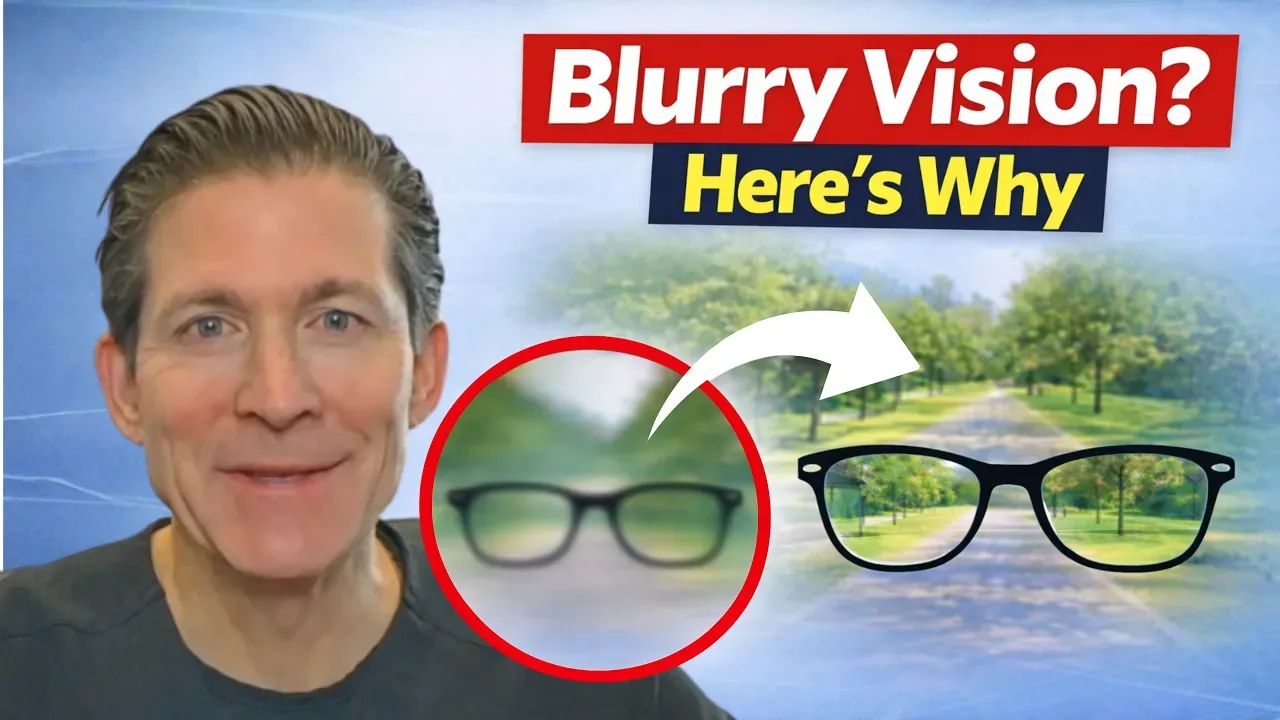
Myopia means that distant objects appear blurry while near objects remain clear. Think of your eye like a camera. The goal is to focus light precisely onto the retina, the back layer that captures images. In a myopic eye, the eye grows slightly too long from front to back, or the cornea is too curved for the eye’s length. That causes light to focus in front of the retina rather than on it, producing blurry distance vision.
Myopia typically begins in childhood and often progresses through the teenage years before stabilizing in early adulthood. It is not caused by weak eyes or failing eye health. The eye is simply growing in a way that affects how light focuses.
That said, higher levels of myopia can increase the lifelong risk of certain eye conditions, which is why early management matters.
Why Is Myopia Becoming So Common?
Over the past few decades, rates of childhood nearsightedness have risen dramatically around the world. Researchers believe this is closely connected to how we use our eyes today.
Children and teenagers are spending more time on tablets, computers, and smartphones, doing prolonged near work with far fewer breaks. At the same time, they are spending significantly less time outdoors. Natural light and long-distance viewing play an important role in healthy eye development. Without them, the eye is more likely to elongate during the growth years.
Genetics also play a role. Children with one or both myopic parents have a higher likelihood of developing nearsightedness themselves. But lifestyle is clearly shaping the modern landscape in a meaningful way.
A common question from parents is whether screens directly damage their child’s eyes. It is not damage in the traditional sense, but prolonged near focus encourages the eye to adapt to that distance during growth. This is why outdoor time, moderation with screens, and regular breaks during close work all matter for children’s vision development.
How Does Myopia Affect Daily Life?
Most people with myopia notice that road signs, classroom boards, or faces at a distance look blurry. In children, early signs can include squinting, sitting very close to the television, holding books close to their face, or complaining of headaches and eye strain after schoolwork.
A comprehensive eye exam is the most reliable way to diagnose myopia. During the exam, we assess how the eye focuses light and check overall eye health to make sure nothing else is contributing to the blurriness. Routine exams are especially important for children, whose vision can change quickly. Catching those changes early gives us the best opportunity to manage progression effectively.
Treatment and Myopia Control Options
Glasses and Contact Lenses
The most familiar approach is corrective lenses, which adjust the focus of light and restore clear distance vision. Today’s prescriptions are highly precise and easy to update as vision changes over time.
Myopia Control for Children
In recent years, we have developed effective strategies specifically aimed at slowing the progression of myopia in younger patients. These include specialized contact lenses designed to reshape how light focuses in the eye, daily disposable lenses with specific optical designs, and prescription eye drops that influence how the eye grows. The right approach depends on age, lifestyle, and how quickly the prescription is changing.
Vision Correction Surgery for Adults
For adults whose prescriptions have stabilized, vision correction surgery can be an excellent long-term solution. LASIK reshapes the cornea to correct how light enters the eye, allowing many patients to see clearly without glasses or contacts. The EVO ICL™ is another strong option for adults with stable vision, particularly those who may not be ideal LASIK candidates. Our team can help determine which approach is the right fit for your eyes and your lifestyle.
What We Hear from Patients
Parents often ask whether there was something they could have done sooner. The honest answer is that myopia is extremely common, in most cases very manageable, and not dangerous. What matters most is monitoring it regularly and using proven strategies to slow progression when the prescription is actively changing.
Adults who have worn glasses since childhood sometimes wonder whether their myopia is too severe for vision correction surgery. In most cases, we can correct vision very effectively regardless of prescription strength, and many patients are surprised by how much comfort and clarity improve with a properly updated prescription or a consultation about their surgical options.
Book a Free Consult
Whether your child’s vision has been changing or you are an adult who has been in glasses for years and is ready to explore something different, we are here to help. Our expert surgeons at King LASIK and K2 Vision have the experience and the data to find the right solution for your eyes. Find us at any of our seven convenient locations across Seattle, Portland, Tacoma, Olympia, Tri-Cities, Everett, Vancouver, and the Scottsdale/Phoenix area. Book a Free Consult today, in person or virtually by phone or Zoom.